
| Size | Trade Gallons, Two Gallons, Three Gallons |
|---|
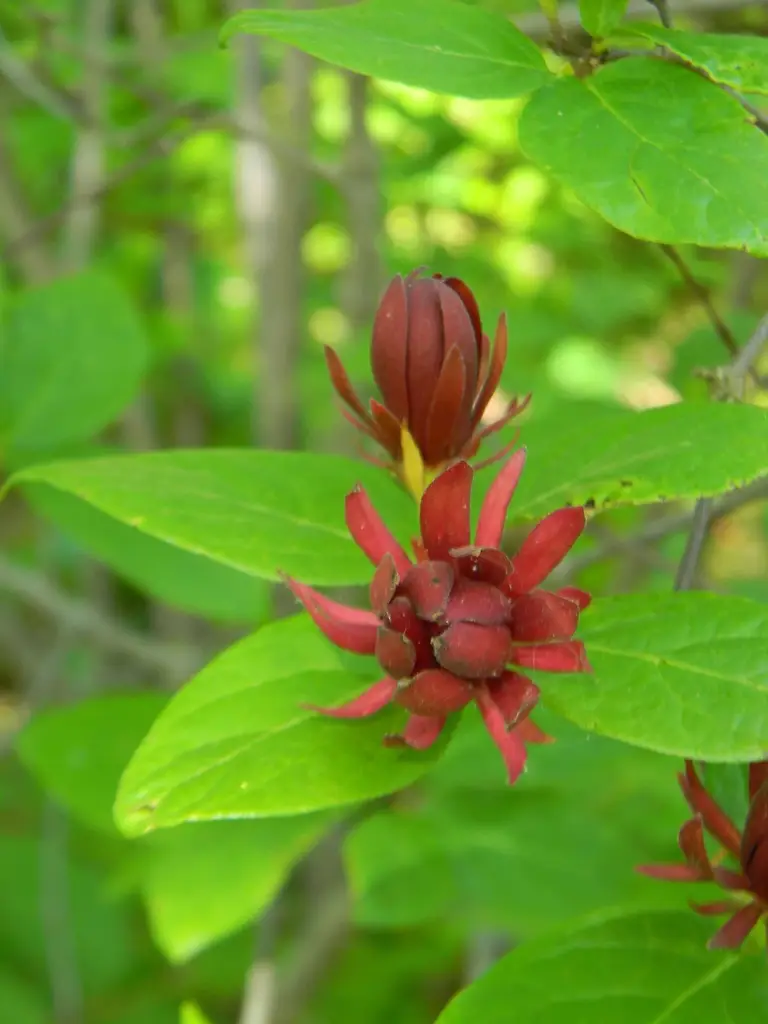
Calycanthus floridus – Common Sweetshrub (B&B.DR.FRG.H.OP)
Price range: $30.00 through $40.00
Ecosystem Services:
(B)-Birds (B&B)-Birds & Butterflies
(BTF)-Butterflies (BW)-Black Walnut Resistant
(DR)-Deer Resistant (DRGHT)-Drought Resistant
(EC)-Erosion Control (EVR)-Evergreen
(FC)-Fall Color (FRG)-Fragrant
(GRD)-Groundcover (H)-Host plant
(HMR)-Hummingbirds (M)-Mammals
(MTH)-Moths (N)-Nectar
(NB)-Native Bees (NST)-Nesting Material
(OP)-Other pollinators (RR)-Rabbit Resistant
(SHWY)-Showy (SPC)-Specimen Plant
Common Sweetshrub, is an erect to rounded deciduous native shrub in the sweetshrub family. It is found in the southeast, growing in shady woodlands and along stream banks. It grows 6-12′ tall with an equal or slightly greater spread.
It is commonly called a sweetshrub and strawberry bush in reference to its showy, fragrant blooms, which have been described as combining hints of pineapple, strawberry, and banana. The aroma is stronger in higher temperatures, and it is best to purchase the plant in flower as the fragrances vary widely.
Common Sweetshrub grows best in average to rich, well-drained soil in anywhere from full sun to deep shade. It prefers some shade in hot summer afternoons, and it will grow lankier and less dense in shade than in sun. It is tolerant of a wide range of soil textures and pH but prefers rich loams. It can tolerate brief periods of flooding, but it struggles in sandy soil and drought conditions. Plant it at least 6 feet from other shrubs to give it adequate room to grow. It blooms in early spring before leaves emerge, with the leaves, and sporadically thereafter.
It grows 6 to 12 feet tall with an equal or slightly greater spread. The fragrance of the showy blooms has been described as combining hints of pineapple, strawberry and banana. The aroma is stronger in higher temperatures, and it is best to purchase the plant in flower, as the fragrances vary widely. Prune immediately after flowering to shape or maintain compactness. It has a suckering habit, and those suckering branches need to be eliminated unless you want this plant to naturalize in your landscape. Note that next season’s flowers are produced on new and old wood. Propagate this plant by seed.
Drought Resistant!
Host plant for various moths, specifically the Saddleback Caterpillar.
Only logged in customers who have purchased this product may leave a review.
Related products
-
Illicium floridanum – Florida Anise (B&B.DR.H.OP.RR)
Price range: $25.00 through $40.00 -
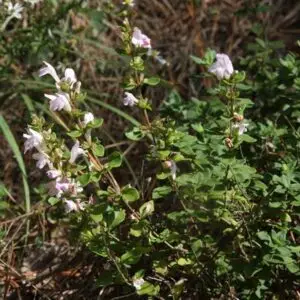
Clinopodium carolinianum – Georgia Basil(BTF.DRGHT.HMR.NB)
Price range: $25.00 through $40.00

Reviews
There are no reviews yet.