| Size | 4" Pots, Trade Gallons, Two Gallons, Three Gallons |
|---|
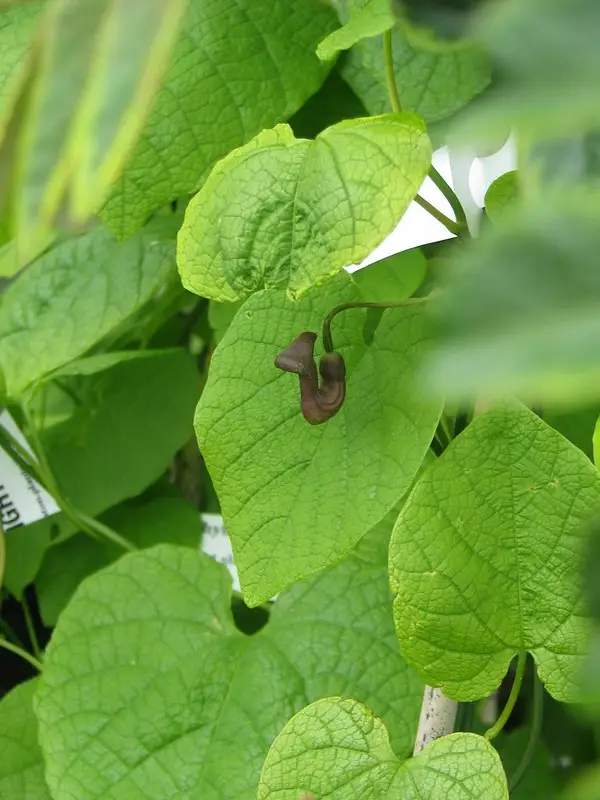
Aristolochia macrophylla – Pipevine (BW.BTF.DR.H.OP)
$20.00
Ecosystem Services:
(B)-Birds (B&B)-Birds & Butterflies
(BTF)-Butterflies (BW)-Black Walnut Resistant
(DR)-Deer Resistant (DRGHT)-Drought Resistant
(EC)-Erosion Control (EVR)-Evergreen
(FC)-Fall Color (FRG)-Fragrant
(GRD)-Groundcover (H)-Host plant
(HMR)-Hummingbirds (M)-Mammals
(MTH)-Moths (N)-Nectar
(NB)-Native Bees (NST)-Nesting Material
(OP)-Other pollinators (RR)-Rabbit Resistant
(SHWY)-Showy (SPC)-Specimen Plant
Dutchman’s pipe or pipevine is a deciduous, woody, climbing vine in the pipevine family. It is native to eastern North America. It is typically found in the wild, in moist woods, or near streams.
This native vine prefers rich, moist, and well-drained soil. It is intolerant of dry soil and needs protection from strong winds. The plant prefers full sun to partial shade. It may be pruned in the late winter to control its growth. Seeds and cuttings are used to propagate this vine.
The leaves of pipevine are up to 12 inches long and heart-shaped, smooth (not hairy, as in Aristolochia tomentosa), deep green, and silver-colored underneath. The flowers are usually inconspicuous because they are hidden or lost in the vine’s dense foliage. The small blossoms are yellow-greenish with brownish-purple lobes. The fruits are green capsules that turn gray to black when they mature.
The overlapping and dense cloak of leaves can form a beautiful screen for a garden or porch wall. This plant has a high flammability rating and should not be planted within the defensible space of your home. Select plants with a low flammability rating for the sites nearest your home.
The flowers emit an odor that attracts flies, which are the pollinators. The vine is moderately resistant to deer.
Host for the Pipevine Swallowtail Butterfly. The caterpillars can devour all the leaves, but the defoliated vine will recover. The caterpillars do no lasting harm.
Related products
-
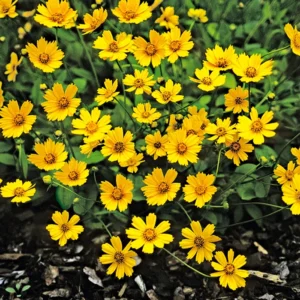
Coreopsis auriculata ‘Nana’ – Mouse-earred Tickseed (B&B.DR.DRGHT.EC.EVRGRN.GRDCVR.NB)
Price range: $15.00 through $150.00