
| Size | Trade Gallons, Two Gallons, Three Gallons |
|---|
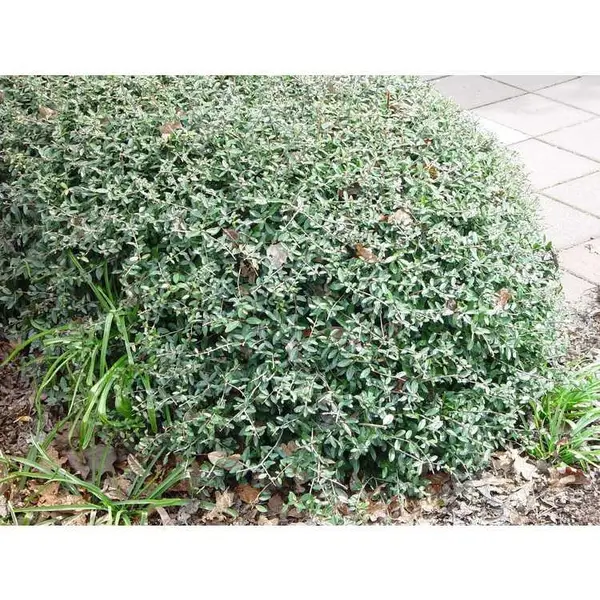
Ilex vomitoria ‘Nana’ – Dwarf Yaupon Holly (B&B.DRGHT.EVRGRN.H.M.NB.OP.SHWY)
Price range: $25.00 through $40.00
Ecosystem Services:
(B)-Birds (B&B)-Birds & Butterflies
(BTF)-Butterflies (BW)-Black Walnut Resistant
(DR)-Deer Resistant (DRGHT)-Drought Resistant
(EC)-Erosion Control (EVR)-Evergreen
(FC)-Fall Color (FRG)-Fragrant
(GRD)-Groundcover (H)-Host plant
(HMR)-Hummingbirds (M)-Mammals
(MTH)-Moths (N)-Nectar
(NB)-Native Bees (NST)-Nesting Material
(OP)-Other pollinators (RR)-Rabbit Resistant
(SHWY)-Showy (SPC)-Specimen Plant
‘Dwarf’ or ‘Nana’ is a dwarf cultivar of yaupon holly. It is a woody, perennial, broadleaf evergreen shrub in the holly family. It is native to the eastern United States and Mexico.
Dwarf yaupon is a compact, rounded shrub that rapidly grows 3 to 5 feet tall and 3 to 6 feet wide. Plant it in average, well-drained, neutral to acidic soils in full sun to partial shade; It will produce more flowers in sun. It is resistant to Phytophthora root rot, drought, salt spray, and deer browsing. Propagate by stem cutting.
This cultivar was developed from several seedlings found in the wild in Louisiana. The original ‘Dwarf’ as introduced by S. Stokes was female. It is not a sport of ‘Stokes Dwarf’ (synonym ‘Schilling’s Dwarf’), which is male. It seems quite likely that the cultivars have been confused and mixed up in nurseries over the decades but all sold under the ‘Dwarf’ or ‘Nana’ name.
‘Dwarf’ yaupon has brittle, close-knit branches and dark green leaves that are yellow-green when new. This holly spreads wider than it is tall and can withstand heavy pruning, thus it can be used for topiary and formal plantings.
The dense evergreen leaves make it a good choice for use as a hedge, screen, windbreak or barrier. Plant at the edge of a pond, in a naturalized area, around a patio, or in a recreational play area. The flowers attract bees, including specialized bees, and the fruits, which are very infrequently produced, attract small mammals and songbirds. Large, old plants can produce fruit more reliably, but this cultivar is not a good choice if fruits are desired.
Host plant for the Henry’s Elfin Butterfly.
Only logged in customers who have purchased this product may leave a review.
Related products
-
Lindera benzoin – Northern Spicebush (B&B.DR.FC.H.M.OP)
Price range: $25.00 through $40.00
Reviews
There are no reviews yet.