| Size | 4" Pots for Preorder Only, Trade Gallons, Two Gallons, Three Gallons |
|---|
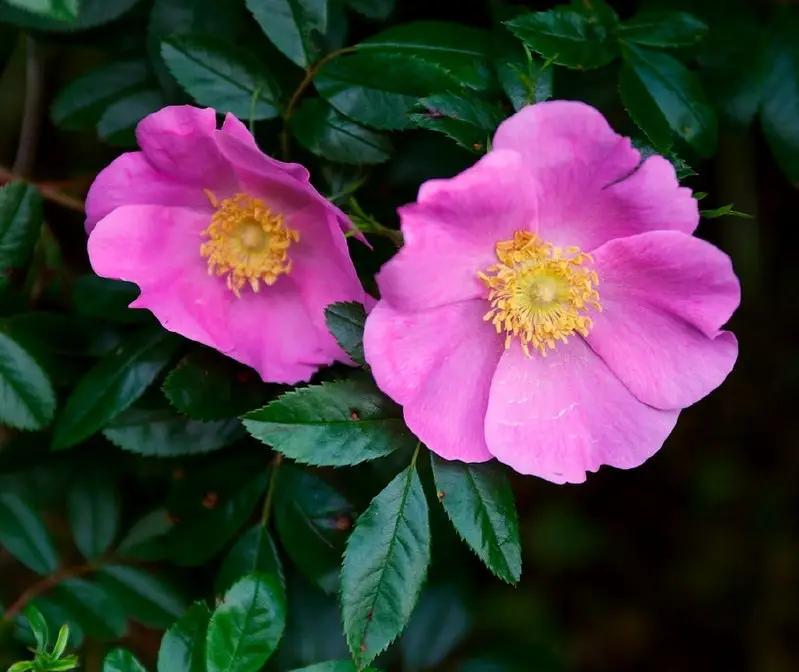
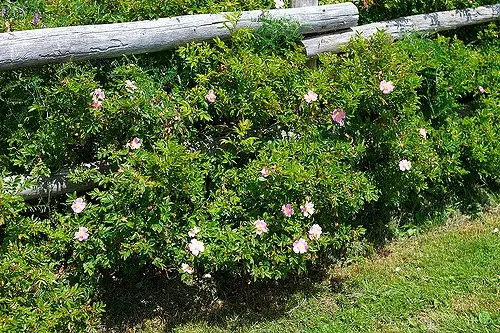
Rosa carolina -Carolina Rose(B&B.DR.DRGHT.FRG.M.MTH.NB.OP.RR.SHWY)
$25.00
Ecosystem Services:
(B)-Birds (B&B)-Birds & Butterflies
(BTF)-Butterflies (BW)-Black Walnut Resistant
(DR)-Deer Resistant (DRGHT)-Drought Resistant
(EC)-Erosion Control (EVR)-Evergreen
(FC)-Fall Color (FRG)-Fragrant
(GRD)-Groundcover (H)-Host plant
(HMR)-Hummingbirds (M)-Mammals
(MTH)-Moths (N)-Nectar
(NB)-Native Bees (NST)-Nesting Material
(OP)-Other pollinators (RR)-Rabbit Resistant
(SHWY)-Showy (SPC)-Specimen Plant
Carolina rose is a woody, deciduous shrub in the rose family and native to eastern and central North America. It grows from 6 inches to 5 feet tall and 1 to 5 feet wide.
Carolina rose requires moist, well-drained soils in full sun to partial shade. The shrub will flower best and be most disease resistant when sited in full sun. It tolerates heat and occasionally dry soil. Crowns appreciate protection in cold winter climates. Prune in late winter to early spring. Look here for a guide to pruning shrub roses. Carolina rose will spread via suckering. Propagate this shrub by root cutting, stem cutting, or seed. It is resistant to the rose rosette virus.
The flowers attract bees and butterflies and is a host plant for the Polyphemus moth (Antheraea polyphemus). After the flowers fade in late summer they mature into red hips, which are showy and a source of food for songbirds, quail, wild turkey, and small mammals in fall and winter. Tea or jelly can be made from rose hips. The shrub provides excellent cover year-round for wildlife. Native bees nest in the dead, hollow stems, so gardeners are encouraged to cut back dead stems to 12 to 24 inches and allow them to remain standing until they disintegrate on their own.
Read more about best practices for stem-nesting bees in this NC Extension publication.
Carolina rose is ideal for a hedge. Use it in a recreational play area or butterfly, children’s, edible, or pollinator gardens.