| Size | Trade Gallons, Two Gallons, Three Gallons |
|---|
Quercus shumardii – Shumard’s Oak(B&B.BW.DR.DRGHT.H.MTH.NB.OP.RR)
$45.00
Ecosystem Services:
(B)-Birds (B&B)-Birds & Butterflies
(BTF)-Butterflies (BW)-Black Walnut Resistant
(DR)-Deer Resistant (DRGHT)-Drought Resistant
(EC)-Erosion Control (EVR)-Evergreen
(FC)-Fall Color (FRG)-Fragrant
(GRD)-Groundcover (H)-Host plant
(HMR)-Hummingbirds (M)-Mammals
(MTH)-Moths (N)-Nectar
(NB)-Native Bees (NST)-Nesting Material
(OP)-Other pollinators (RR)-Rabbit Resistant
(SHWY)-Showy (SPC)-Specimen Plant
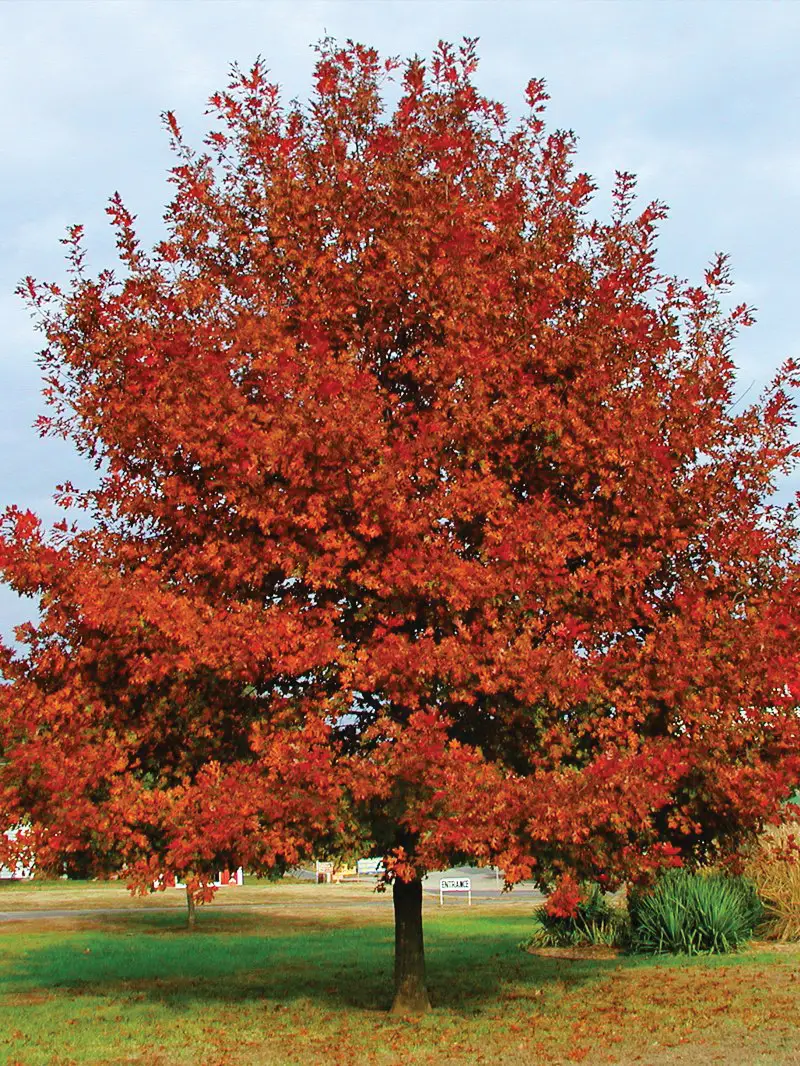
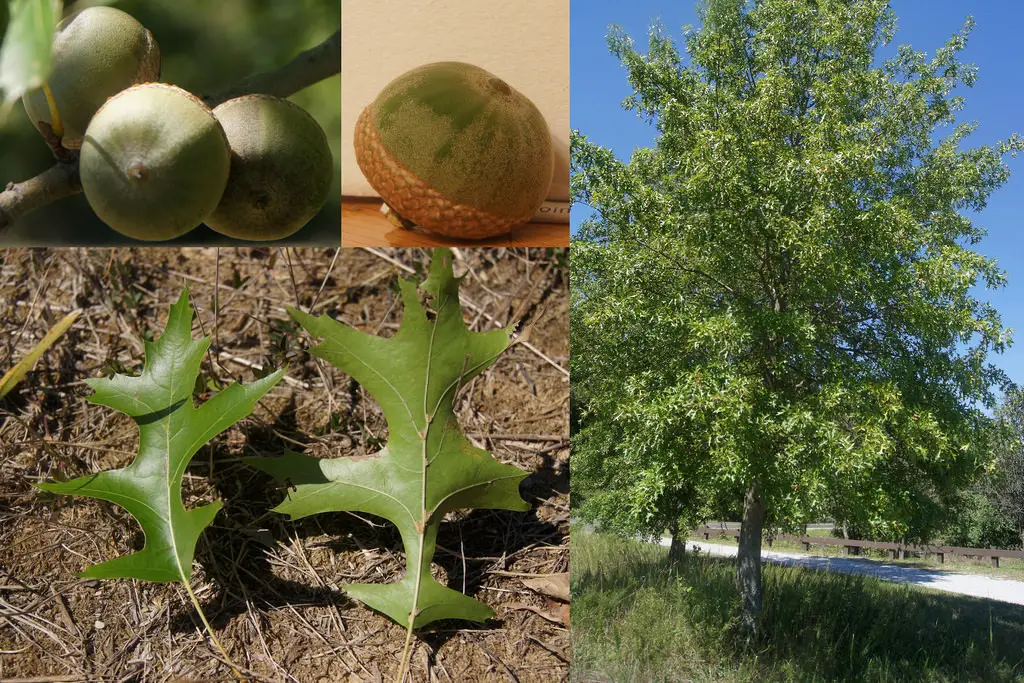
Shumard Oak is a native large deciduous tree in the red oak group in the beech family. It is an attractive tree with a pyramidal shape when young and a more open rounded crown at maturity.
The trees can reach 70 feet in height and 40 feet wide. It is tolerant of urban conditions like drought, dry soil, and air pollution. Shumard Oak is relatively fast-growing, adaptable and drought tolerant but also tolerates short-term flooding and wind. The lobed leaves often have nice red fall color.
Plant in average soil in full sun as a shade tree in a large yard, street tree or in parks and other public places.
It is a host plant for the larvae of the Imperial moth, as well as numerous butterflies, including Banded hairstreak, Edward’s hairstreak, Gray hairstreak, White-m hairstreak, Horace’s duskywing, and Juvenalis duskywing.